Workshopping my way to 150% profit increase
Profitable AND inclusive. You don't have to choose.
- Year
- 2017–2022
- Client
- Self-initiated
- Role
- Founder & Facilitator
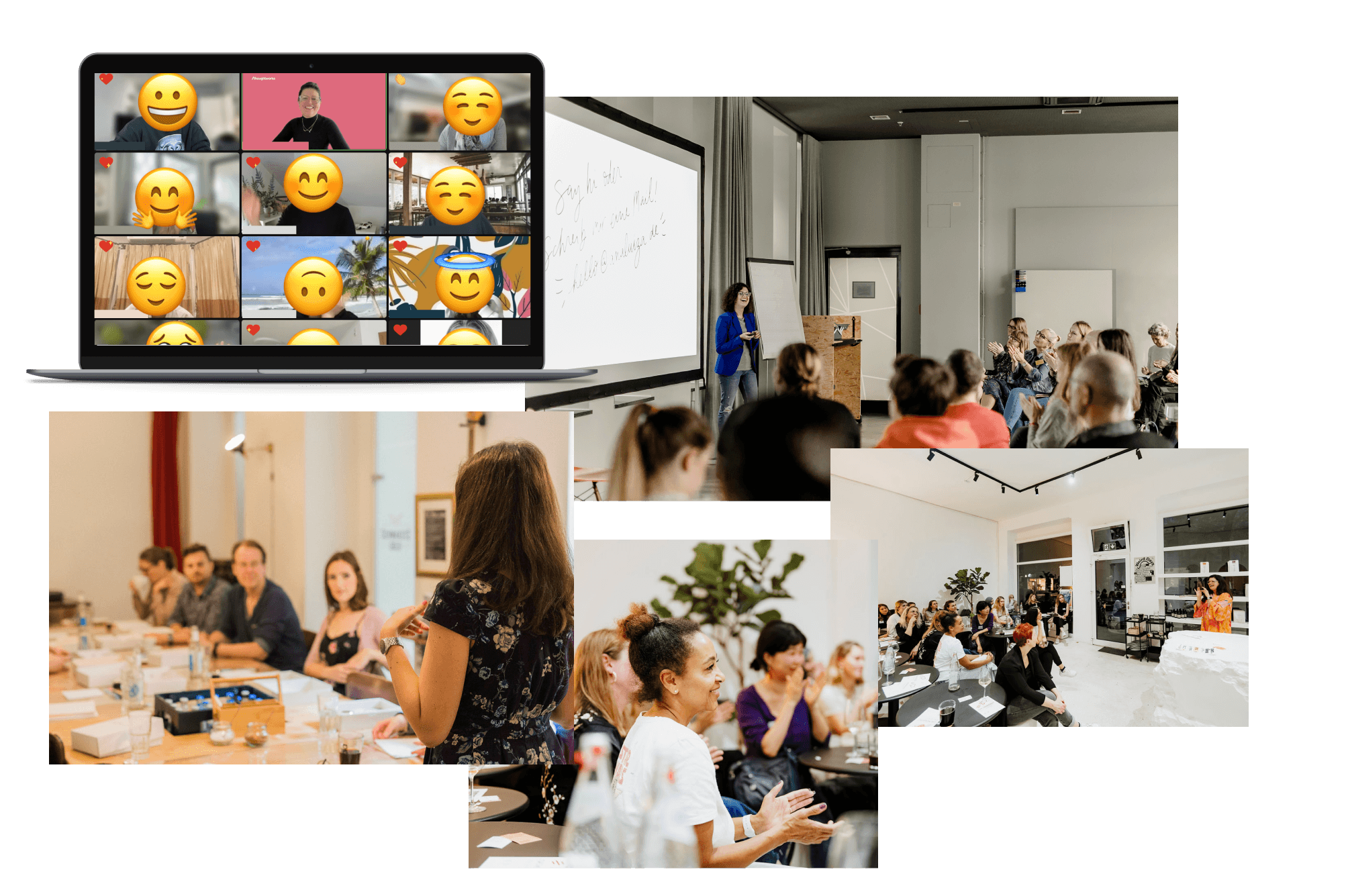
I had a huge problem with the 'gatekeepers of knowledge' in the creative community. Back in 2017, I lacked clear references for running the workshop format I wanted. My mission: share what I had learned. Two years, 52 workshops, 7 cities, and 416 participants later, here is what actually worked.
Context
I started teaching workshops because I couldn't find the kind I wanted to attend. The creative education space was fragmented, inaccessible, and often gatekept. I saw an opportunity to build something different, inclusive, well-designed, and genuinely useful, starting from zero budget and zero experience.
Role
Founder and facilitator. I designed the curriculum, managed all logistics, ran participant research, iterated on format and pricing, and built the community around the workshops from the ground up.
Constraints
No runway or investment to get started. I initially priced the workshops based on what I thought people would be willing to pay, an approach I do not recommend. I also researched all participants in advance, fearing being exposed as an impostor. Both of these starting strategies were replaced quickly.
Approach
I created warm, welcoming environments consistently: handwritten name cards, catering, all materials included. Having a feedback form from day one was the most crucial decision. I attended competitor workshops to identify what was being neglected, and made those neglected details central to my offer: a safe space, accessible locations, at least one free ticket per session, translation for international attendees, and support for left-handed participants.
Key Decisions
Every course differed intentionally. I tested topic, duration, pricing, materials, catering, breaks, and scheduling as variables, treating each workshop as a design experiment. Immediate feedback loops and participant interviews drove continuous improvement. The biggest mindset shift: from 'filling seats' to 'designing an experience worth returning to.'
The workshop experience was itself a designed product. Every touchpoint, from the handwritten name card to the feedback form, was considered. The visual and spatial environment signalled inclusivity and care before a single word was spoken. Pricing became a design decision too: making at least one seat free per session was both an ethical choice and a growth strategy that built trust and community.
Outcomes
52 workshops conducted across 7 cities
416 participants, less than 3% no-show rate
25 in-house trainings delivered, 23 collaborators engaged
Over 90% feedback completion rate, 4.9 / 5 average rating
150% profit increase through iterative pricing and format refinement
Learnings
Teaching is the best way to learn. Our experiences and interests will never overlap 100%, so we can always learn something new from each other.
Visibility strengthens networking. People respect courage in public speaking, it opens doors that 1:1 work never could.
We all have something to share. We just need to be one step ahead.